
Reviewed · HAGIA SOPHIA TOURS
Istanbul: Whirling Dervish Ceremony next to Hagia Sophia
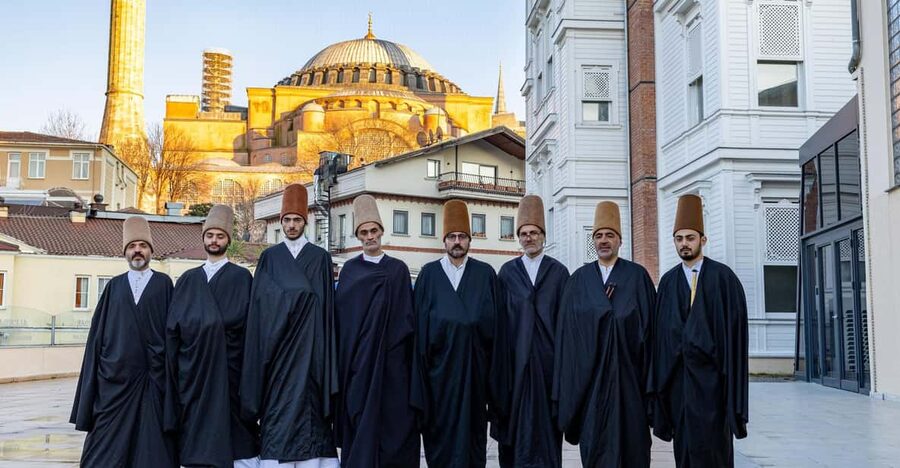
The turning dervishes are the heart of this 55-minute ceremony, but the point is not spectacle. You hear live Sufi music, watch a ritual shaped by prayer and symbolism, and see it in a traditional wooden house beside Hagia Sophia.
I like two things in particular: the short introduction gives you context before the ceremony begins, and the live music draws on pieces composed from the 1400s to the early 1800s. The included tea or sherbet adds a small, pleasant local touch without padding the event.
One consideration: this is a quiet religious ceremony, not a theatrical show built around quick action. If you expect a dramatic dance routine, its measured pace may feel slow; if you give it your attention, that pace is part of the experience.
What matters before you book
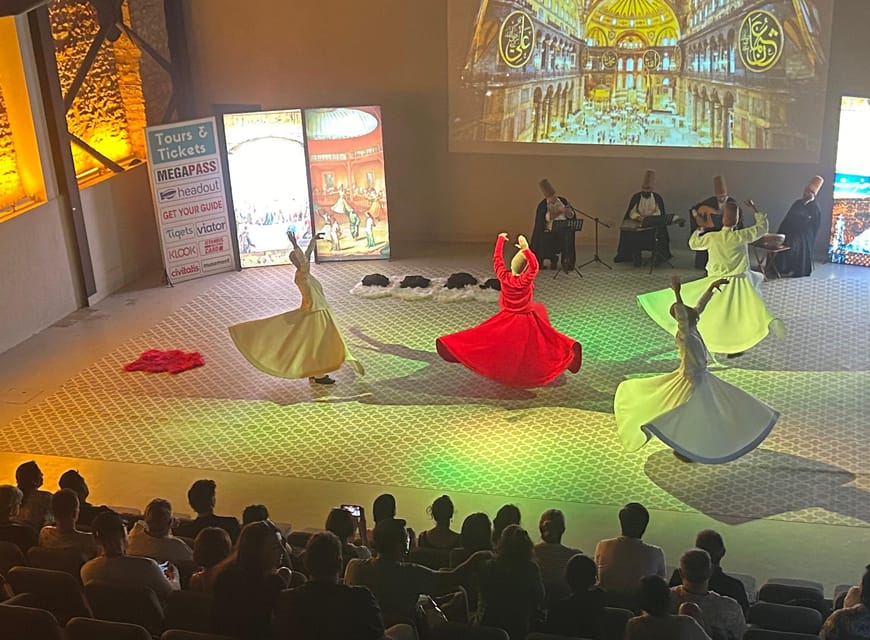
- A ceremony, not a stage spectacle: Local followers of a Sufi tradition perform the Sema, a prayer ritual with a spiritual purpose.
- Live music from another age: Strings, drums, and flutes accompany the ceremony, with pieces dating from the 1400s to the early 1800s.
- A helpful introduction: An English-speaking host explains the ritual, and a digital guide is available in seven languages.
- A central location: The venue is a traditional wooden house near Hagia Sophia and the Basilica Cistern.
- A small refreshment is included: Choose tea or sherbet, with water also provided.
- A good-value cultural stop: At $17, the 55-minute event includes the ceremony, live music, explanations, and a drink.
A quiet ritual beside Istanbul’s grand monuments
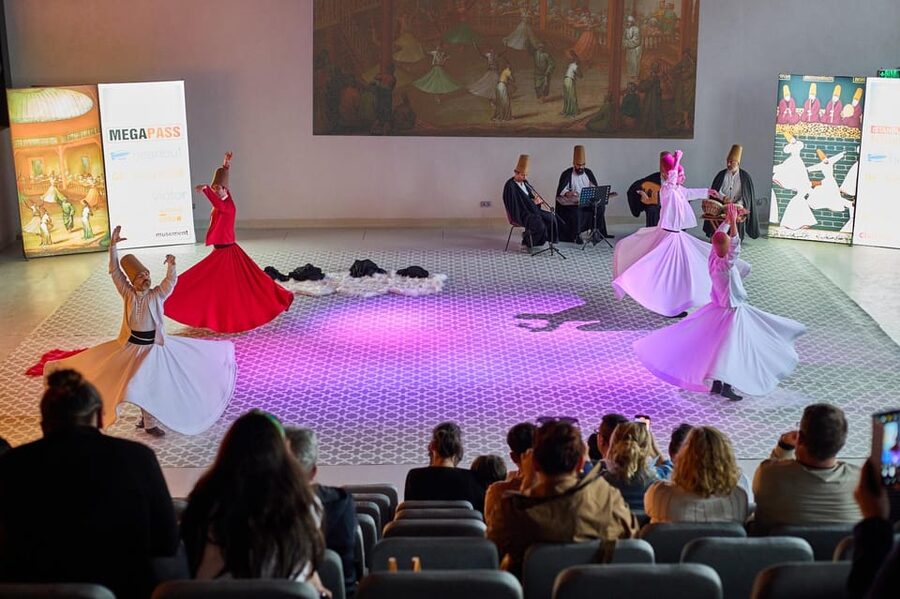
Istanbul’s historic center can make every hour feel like a race between famous buildings. This ceremony offers a different kind of pause: for 55 minutes, the focus shifts from monumental architecture to music, movement, and a spiritual practice.
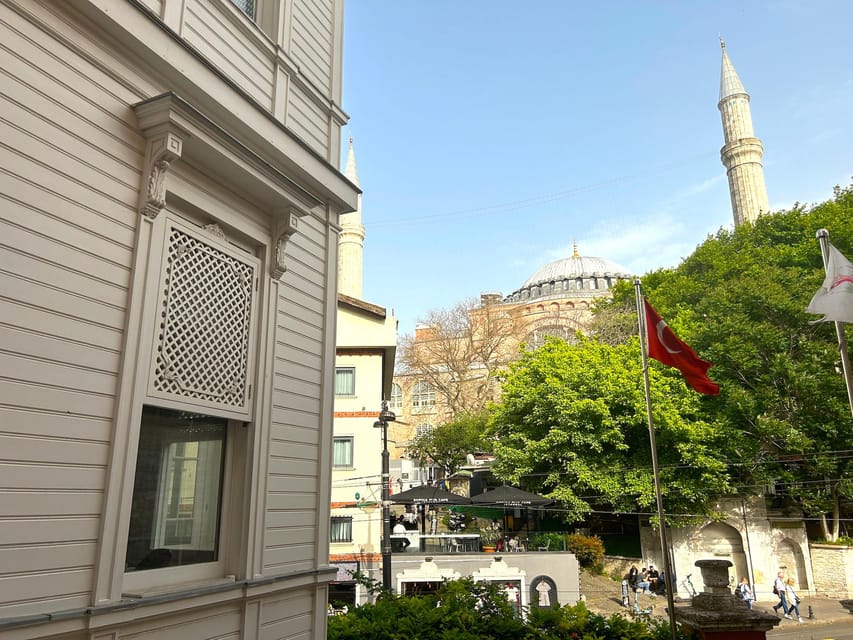
The venue is next to Hagia Sophia, with the meeting point beside the entrance to the Basilica Cistern. That location makes it easy to pair the ceremony with a day among Sultanahmet’s landmarks, though the address can be a little confusing: the reception desk is at the gate of a large white wooden house. Check the map carefully, since a map link has been known to point to the wrong side of the road.
The setting matters. Rather than watching from a large tourist auditorium, you enter a traditional wooden house used as an arts center. The atmosphere helps signal that this is more than a dance presentation. The ceremony is associated with local Sufi followers, and the center is also described as supporting arts education and student scholarships through ticket income.
That purpose may add meaning to your visit, but it is best to come for the ceremony itself. This is an opportunity to observe a religious tradition in a cultural setting, not a chance to participate in the ritual.
More Hagia Sophia visits in Istanbul:
- Istanbul: Hagia Sophia Skip-the-Line Ticket & Museum Option
★ 3.7 · 4,958 reviews - Istanbul: Blue Mosque & Hagia Sophia Guided Tour w/ Tickets
★ 4.8 · 3,600 reviews - Istanbul: Hagia Sophia Skip-the-Line Ticket and Audio Guide
★ 4.3 · 2,246 reviews
Before the turning begins
The ceremony begins with an introduction from an English-speaking host. This is a valuable part of the program, not an optional preamble: the movements and music carry meanings that are easy to miss if you watch them as a sequence of spins alone.
The host provides context about Sufism and the ceremony, and there is an opportunity to ask questions. The explanation is usually brief, so listen closely. Some visitors have found that a fast delivery can be hard to follow, especially if English is not your first language. The included smart audio guide offers another way to get background, with content in English, German, French, Italian, Russian, Spanish, and Arabic.
If you want a little more context before you arrive, read about Rumi, Shams Tabrizi, and the ney, a traditional flute heard in Sufi music. You do not need to study in advance to appreciate the event, but a few names and ideas can help you understand the spiritual framework. The ceremony is connected with ideas of divine love, unity, and letting go of the self.
The introduction also helps set expectations. The Sema unfolds at a deliberate pace, and its meaning is conveyed through prayer, music, and movement rather than spoken translation. The recited words are not translated during the ceremony, so you may not understand every phrase. That does not prevent you from following the broad shape of the ritual, but it is useful to know before you sit down.
Listening to the live Sufi music
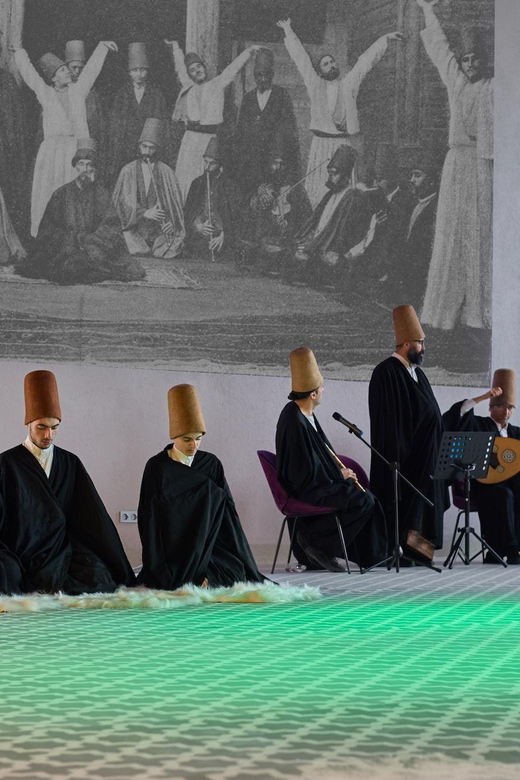
Instrumental music sets the mood before the dervishes begin their turning. Strings, drums, and flutes build a sound world that feels distinct from the busy streets outside. The pieces performed here were composed between the 1400s and early 1800s, giving the event a strong connection to older musical traditions.
The music is not background decoration. It gives the ceremony its pace and helps you settle into the repeated patterns that follow. Listen for the ney in particular, whose breathy tone is one of the details that can stay with you after the event.
This is also where expectations matter. The performance is not designed to deliver a string of loud crescendos or sudden tricks. Its power comes from repetition and gradual change. If you find stillness difficult, the opening music may feel long; if you let your attention rest on the instruments, it offers a way into the ceremony.
There is no English translation of the songs listed as part of the event. You can still understand the ceremony’s broad purpose from the host’s explanation, but you should not expect a line-by-line guide to the lyrics.
Watching the Sema unfold
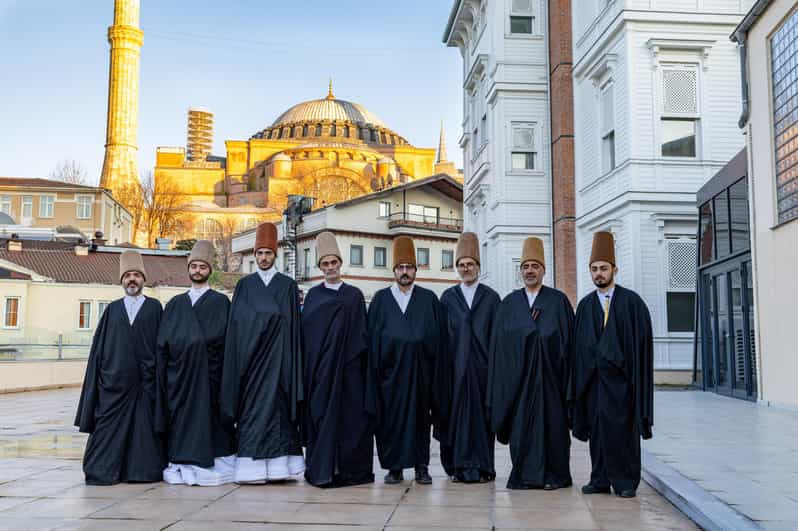
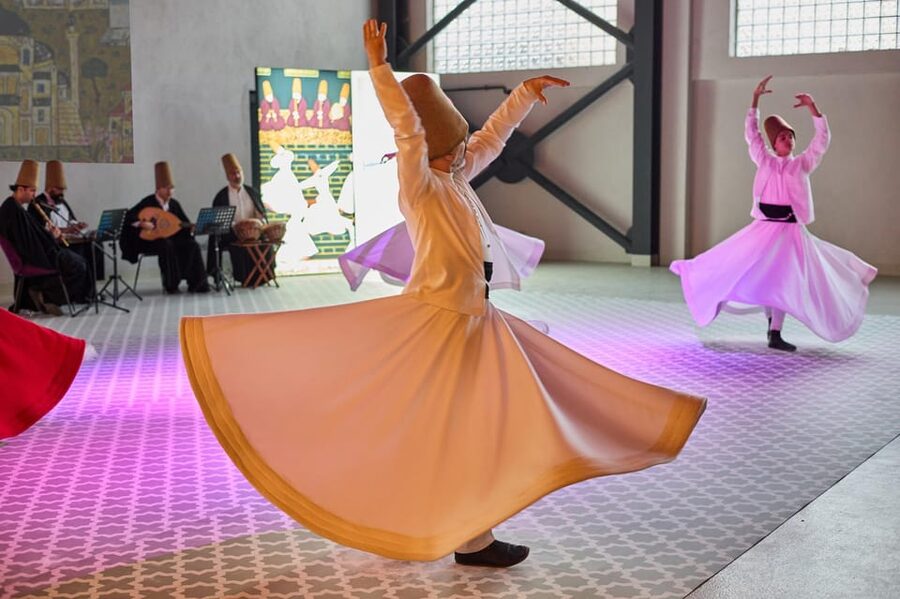
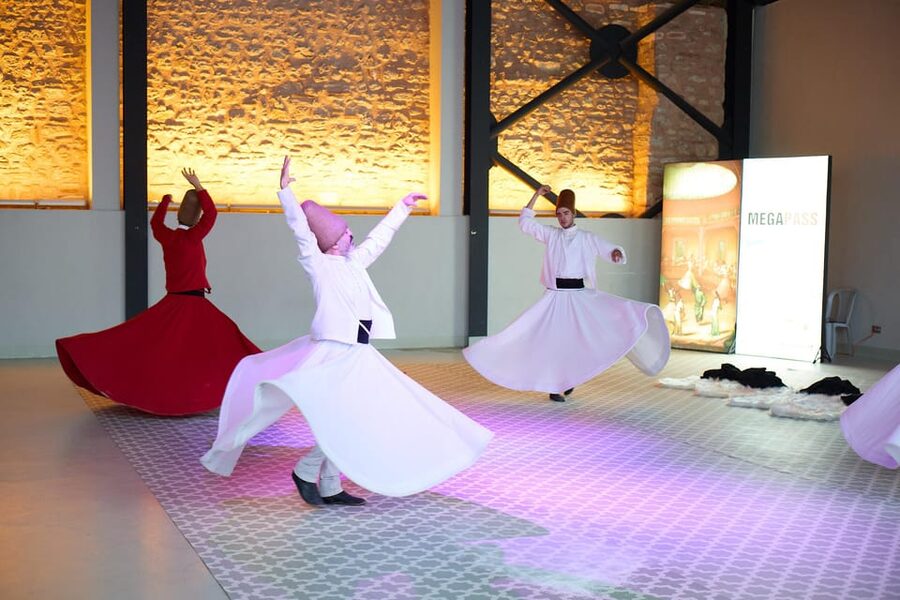
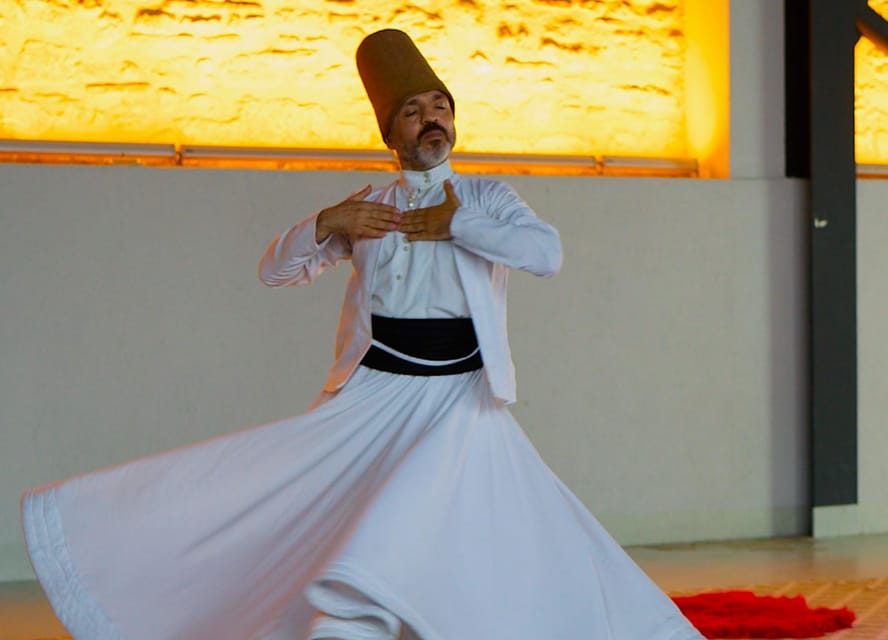
When the dervishes enter, the transition is calm and formal. Their turning follows the musical rhythm, and the ceremony develops through a series of measured movements. The repeated rotation can be hypnotic, but it is not simply a display of physical stamina.
The gesture of one hand raised toward the heavens and the other directed toward the earth is associated with receiving blessings and sharing them with the world. The turning is also understood as a symbol of the universe’s movement and the spiritual journey toward unity. These meanings give the ceremony a focus beyond the visual effect.
You may find that the first minutes are the hardest to read. Without the explanation, the movement can look like an unusual dance; with some context, it becomes easier to notice the discipline and intention behind the gestures. The repeated motion can create a meditative feeling, though your response will depend on your own interests and state of mind.
Treat the room as a place of worship and reflection. Silence is important, and noise is not allowed. Avoid chatting, and consider keeping your phone out of sight. Even when taking a photo is permitted, the screen can pull your attention away from the music and the movement. If photography matters to you, check the venue’s current rules when you arrive rather than assuming that every moment is suitable.
More whirling dervish ceremonies in Istanbul:
- Istanbul: Hodjapasha Whirling Dervishes Show & Exhibition
★ 4.4 · 4,790 reviews - Istanbul: Whirling Dervishes Ceremony and Mevlevi Sema
★ 4.3 · 1,694 reviews - Istanbul Hodjapasha Whirling Dervishes Show & Exhibition
★ 4.0 · 503 reviews - Istanbul Traditional Turkish Dinner and Dervish Experience
★ 5.0 · 490 reviews
The wooden-house venue and practical details
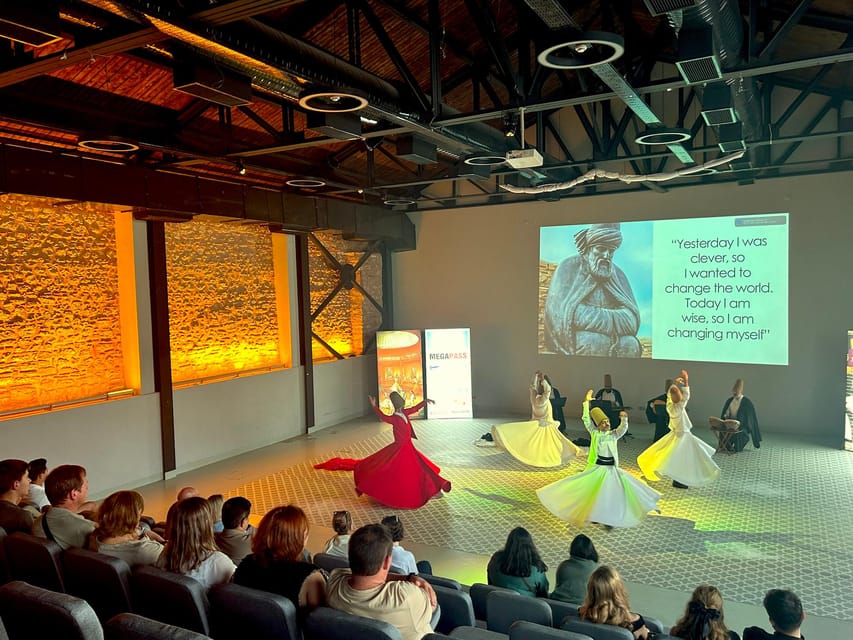
The salon is a traditional wooden house near the city’s best-known historic sights. Its small-scale setting suits a quiet ceremony, and the seating is comfortable, with clear views from around the hall. That is a practical advantage: you can focus on the musicians and dervishes rather than trying to see over a crowd.
The gate opens 30 minutes before the ceremony starts. Arriving with time to find the entrance and settle in is sensible, particularly because the meeting point is described in relation to the Basilica Cistern rather than by a broad street address. The desk is at the gate of the large white wooden house.
Use the restroom before or after the ceremony. Visitors are specifically asked not to leave during it, which makes sense in a quiet ritual where movement through the room can be distracting. The event is listed as wheelchair accessible, though one visitor who needed wheelchair access found that staff assistance was needed to make it work. If you require step-free access or other specific arrangements, contact the provider before booking.
Children under two are not suited to this activity. For older children, consider whether they can remain quiet and seated for the ceremony. The event’s slow pace and silence rule may be a poor fit for a restless child, even though families have attended with young children.
Tea, sherbet, and the real value of the ticket
At $17 per person, the price is modest for a central Istanbul activity that includes a live ceremony, traditional music, an English introduction, a digital guide, water, and a local drink. Tea or sherbet is served as part of the visit. Food and other drinks are not included.
The value is not just the number of minutes or items included. You are paying for a cultural experience with explanation and a setting near the city’s main historic sights. The short duration makes it easy to fit into an evening, while the local arts-center connection gives the ticket a wider purpose through education and scholarships.
Still, value depends on what you want. If your priority is a fast-moving show or a long lecture, this may not be the best use of your time. If you want a concise introduction to Sufi practice and a chance to watch a ceremony accompanied by live traditional music, the price is fair.
The included drink is a small detail, not a meal or a tasting session. Think of it as a welcoming local touch at the end of a reflective visit, rather than a major part of the ticket.
Who will appreciate this ceremony most
I would choose this experience if you are curious about Sufi culture, religious music, or the traditions behind the whirling dervishes. It is especially useful for a first visit to Türkiye because the host’s introduction helps put the ritual in context, and the central location is convenient when you are already exploring Sultanahmet.
It also suits you if you are looking for a quieter contrast to a day of sightseeing. The ceremony gives you time to slow down and pay attention, and its gradual rhythm can be calming. You do not need to share the beliefs behind it to watch respectfully, but an open mind makes a real difference.
It may not suit you if you want a conventional dance show, constant explanation, or lively audience interaction throughout. The ceremony itself is quiet, the songs are not translated, and the movement develops slowly. The host answers questions before and after, but the ritual is not built around audience participation.
Should you book it?
Book if you want to see a Sufi ceremony with live music and enough explanation to understand its broad meaning. At $17, the location, 55-minute length, audio guide, and included drink make it a practical cultural stop near Hagia Sophia.
Skip it if you are mainly seeking fast entertainment or know you will struggle to remain silent. To get more from the visit, read a little about Rumi and the ney beforehand, arrive early enough to locate the wooden-house entrance, and put your phone away once the ceremony begins.
FAQ
How long is the ceremony?
The activity lasts 55 minutes. Check the available starting times when you book.
How much does it cost?
The listed price is $17 per person.
Where is the meeting point?
Meet your host next to the entrance of the Basilica Cistern. The reception desk is at the gate of the large white wooden house.
When does the gate open?
The gate opens 30 minutes before the ceremony starts.
What language is the live introduction in?
The live guide speaks English. A smart audio guide is also available in English, German, French, Italian, Russian, Spanish, and Arabic.
Is a drink included?
Yes. Tea or sherbet and water are included. Food and other drinks are not included.
Is the venue wheelchair accessible?
The activity is listed as wheelchair accessible. If you need assistance or have specific access requirements, contact the provider in advance.
Can I bring a child?
Children under two are not suited to this activity. The ceremony requires quiet, so consider whether older children can sit quietly throughout.
Can I cancel my booking?
You can cancel up to 24 hours in advance for a full refund. The activity also offers a reserve-now, pay-later option.
New in Istanbul this season
- Escorted 10 Days Tour of Istanbul, Cappadocia, Ephesus and Pamukkale★ 5.0 · 9 reviews
- Ephesus and Pamukkale Full-Day Private Tour from Istanbul by Plane★ 5.0 · 9 reviews
- Ephesus tour from Istanbul Flights included★ 4.5 · 4 reviews
- Ertugrul Gazi Tomb, Sogut and Bilecik Tour – Daily from Istanbul★ 4.5 · 19 reviews
- 8 Day Turkey tour with flights with private option . Express Gold★ 5.0 · 7 reviews
- Istanbul to Ephesus Full Day Guided Tour, Flight and Lunch incl.★ 4.5 · 66 reviews
- Ephesus Pamukkale Tour by Plane★ 4.0 · 6 reviews
- Western Turkey Explorer – 6 Days★ 5.0 · 4 reviews
Hagia Sophia Tours, compared.
Hagia Sophia Skip-the-Line Ticket & Museum Option
Read our review →
Blue Mosque & Hagia Sophia Guided Tour w/ Tickets
Read our review →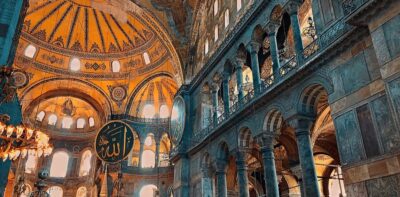
Hagia Sophia Skip-the-Line Ticket and Audio Guide
Read our review →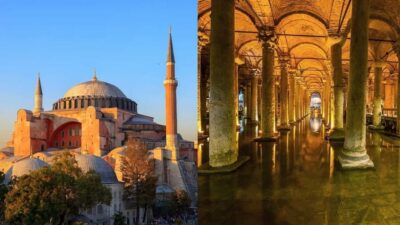
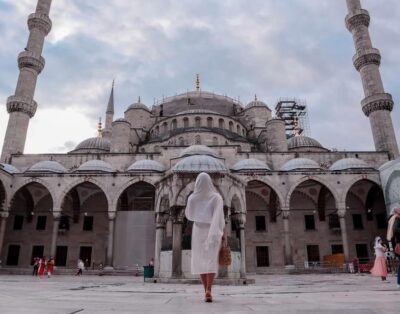
Blue Mosque, Hagia Sophia, & Basilica Cistern Tour
Read our review →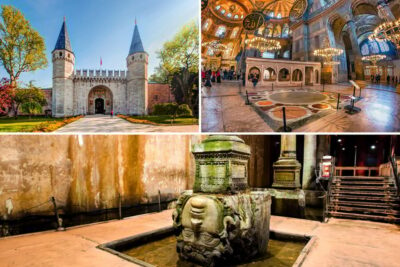
Basilica Cistern &Topkapi Palace &Hagia Sophia Combo Tickets
Read our review →
Hagia Sophia Ticket with Audio Guide & Blue Mosque
Read our review →
Istanbul Highlights! Blue Mosque, Hagia Sophia, Topkapı and More!
Read our review →Browse the lists this tour appears in