
Reviewed · ISTANBUL WHIRLING DERVISH SHOWS
Whirling Dervish Ceremony: Go on a Spiritual Journey
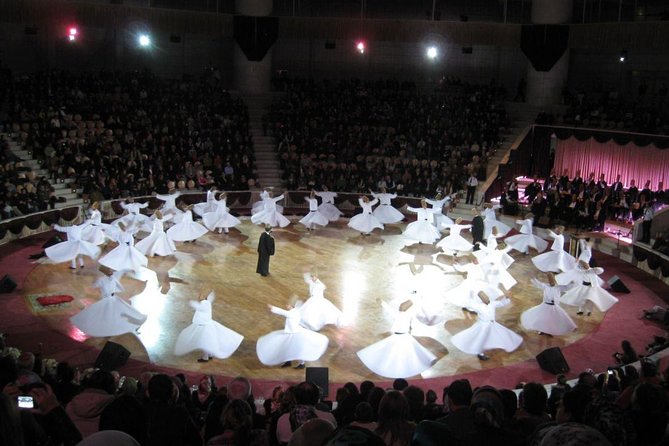
The Whirling Dervish ceremony at Hodjapasha is a quiet, formal ritual, not a stage show built around tricks or applause. You’ll hear live Sufi music before the semazens begin the Sema, a centuries-old ceremony in which their turning movements express a spiritual journey.
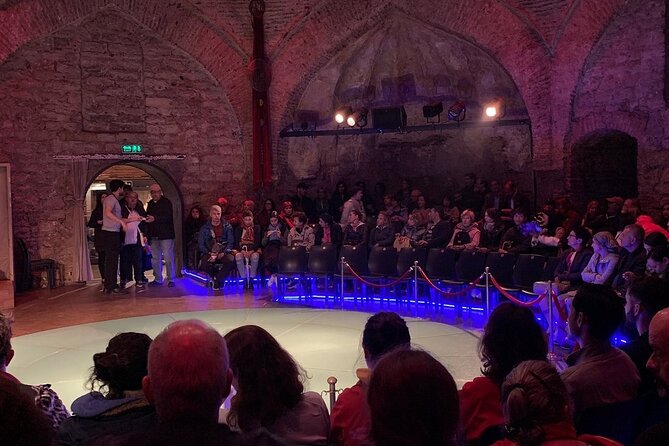
I like two things here: the live orchestra, with flute, kettledrum, and cymbal, gives the ceremony its measured pulse; and the old hammam setting connects the evening to Istanbul’s past. The no-photo rule also encourages you to watch rather than reach for your phone.
The main consideration is pace. The ceremony lasts about 45 minutes, and the repeated turning can feel meditative to some people and monotonous to others. Go for spiritual and cultural context, not a lively dance spectacle.
- A former bathhouse becomes a ceremonial hall: Hodjapasha is a 15th-century building in Sirkeci, now used for performances.
- Music comes first: A 15-minute concert sets the tone before the Sema begins.
- The ceremony takes most of the hour: Expect about 45 minutes of whirling, gliding, and ritual movement.
- Silence is part of the visit: Photography and video are prohibited, and the ceremony calls for quiet attention.
- The evening starts at 7 pm: There is no hotel pickup, so plan your own route to the venue.
- Food and drink may be limited: The venue description mentions snacks and drinks for purchase, but availability has not been consistent.
A ceremony, not a dance-floor show
The Sema is a spiritual ceremony associated with the Mevlevi Sufi tradition. The turning is its most visible feature, but the performance is not designed to build toward a dramatic finale or entertain in the usual theatrical sense. The dervishes, also called semazens, move through a choreographed ritual while the musicians play traditional music and prayers and poetic songs are heard.
That distinction matters. If you arrive expecting a lively folk dance with changing scenes and audience interaction, the measured pace may disappoint you. If you’re curious about Sufi practice, symbolism, and music, the formality is part of what makes the evening meaningful.
The Sema has been practiced for centuries and is recognized on UNESCO’s Intangible Cultural Heritage list. At Hodjapasha, you’ll see a performance of this tradition rather than take part in a religious gathering. Approach it with respect: sit quietly, leave your camera put away, and let the ceremony unfold at its own pace.
Entering Hodjapasha in Sirkeci
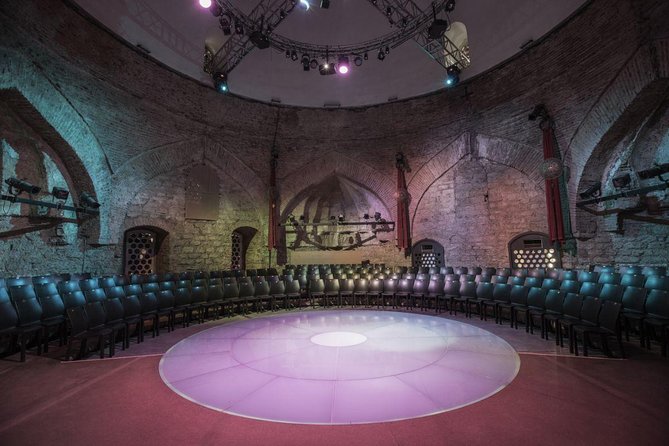
The venue is in Sirkeci, a central Istanbul neighborhood, inside the Hodjapasha Dance Theater. The building dates to the 15th century and was originally used as a Turkish bath. Its former life gives the evening an evocative setting, though the performance space now functions as a modern theater.
The address can be tricky to find, particularly if you rely on a taxi driver who doesn’t recognize the venue name. Use the exact name Hodjapasha Dance Theater and check your route before setting off. The location is near public transportation, but hotel transfers are not included. Give yourself time to locate the entrance rather than aiming to arrive at the last minute.
The scheduled start is 7 pm. One account of the event described a late start and a wait to enter, so arriving with a little extra time is sensible. That also gives you a chance to settle in before the music begins.
The venue description says drinks and snacks are available to buy before or after the ceremony. However, availability may vary: one account found only bottled water rather than a working bar. Don’t count on a full meal here. If you want dinner afterward, Sirkeci has restaurants nearby.
More whirling dervish ceremonies in Istanbul:
- Istanbul: Hodjapasha Whirling Dervishes Show & Exhibition
★ 4.4 · 4,790 reviews - Istanbul: Whirling Dervishes Ceremony and Mevlevi Sema
★ 4.3 · 1,694 reviews - Istanbul: Whirling Dervish Ceremony next to Hagia Sophia
★ 4.5 · 906 reviews
The first 15 minutes: traditional Turkish music
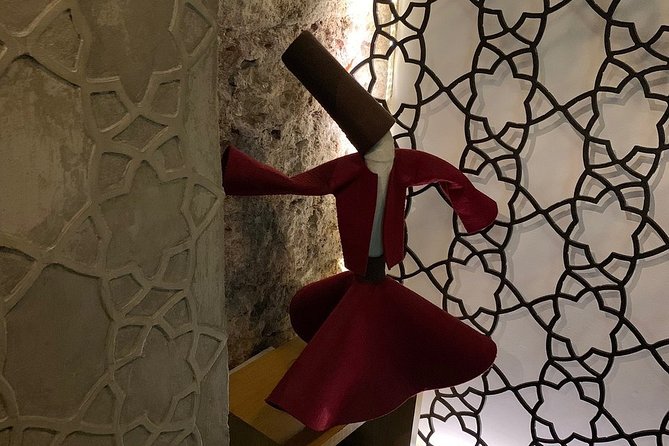
The program opens with about 15 minutes of live traditional music. This is more than background while the audience settles. It gives you time to listen to the instruments and shift from the street’s pace into the ceremony’s quieter mood.
The orchestra is a major part of the experience. The music features instruments including a flute, kettledrum, and cymbal, with Persian and classical Turkish influences. The combination can feel haunting and spare, rather than grand or loud. If you listen closely, you’ll hear how the musicians hold a steady, reflective atmosphere rather than push the performance toward a conventional climax.
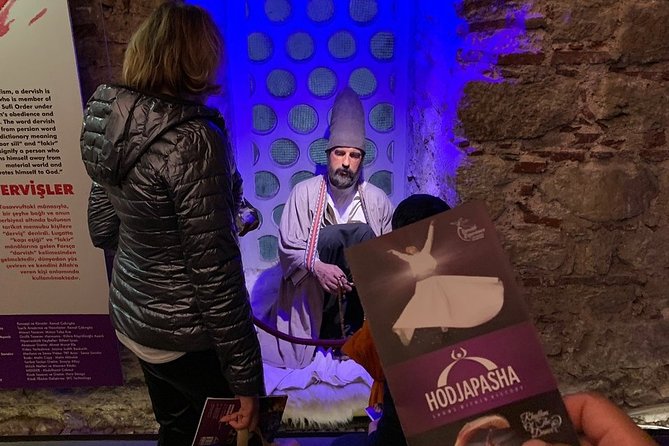
This opening also helps set expectations. The ceremony is not a sequence of unrelated dances. The music and movement belong together, and the performance is best understood as one continuous ritual. You may wish for a short spoken introduction before it begins, since the symbolism is not always obvious if you arrive without background. Information about the dance is also projected on the walls, which can help explain what you are seeing.
The 45-minute Sema: watch the rhythm, not the tricks
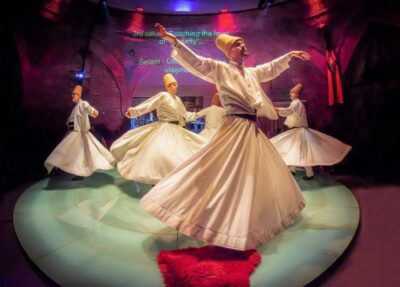
After the music, a company of semazens performs the Sema for roughly 45 minutes. Dressed in white, they turn and glide in coordinated patterns to the musicians’ accompaniment. The repeated motion is the heart of the ceremony, not a single flourish before the next act.
The visual effect can be absorbing. The white garments move like circles around the performers as they spin, while the music keeps a calm, deliberate pace. Some people find the movement meditative and moving; others find an hour of closely related motion too repetitive. There is no need to force yourself into one response. The important thing is knowing the format before you book.
You won’t be asked to join in, and this is not an audience-participation performance. Keep conversation and phone use to a minimum. Photos and video are not allowed, and the restriction is central to the experience: you’re there to observe the ceremony rather than document it. Applause is also not appropriate during the ritual.
The theater’s seating is assigned for at least some bookings. One account described receiving front-center seats through an advance booking, but that should not be treated as a guaranteed placement. If a particular view matters to you, check the seating terms with the seller before paying.
What the one-hour format means for value
The price is $120.14 per person for an experience of about one hour. That is a substantial cost for a short evening activity, especially if you measure value only by minutes or expect a varied entertainment program. The ticket includes the Sema ceremony and the Sufi music concert, but not hotel pickup and drop-off. Drinks and snacks are extra.
For the right person, the value lies less in duration than in access to a focused cultural performance in a historic building. You get the live music, the ritual itself, and a setting that adds context. If you’re drawn to spiritual traditions or want to see something distinct from Istanbul’s usual sightseeing, that can be a worthwhile use of an evening.
If you’re mainly looking for a fast-paced show, a theatrical story, or a broad sampler of Turkish dance, the price may feel hard to justify. Some people find the repeated turning beautiful; others find it slow. Be honest about which camp you are likely to be in before booking.
There is also a practical price question. One account found a third-party ticket more expensive than the venue’s face-value price, while describing assigned front-center seating as a benefit. Prices and seat arrangements can differ, so compare options if you have time and confirm what your ticket includes. Don’t assume a higher price guarantees a particular seat.
A few more Istanbul tours worth booking
- Istanbul: Bosphorus Dinner Cruise & Show with Private Table
★ 4.8 · 44,561 reviews - Istanbul: Daytime or Sunset Sightseeing Cruise & Audio Guide
★ 4.8 · 14,430 reviews - Istanbul: Bosphorus Dinner Cruise with Turkish Night Show
★ 4.8 · 10,127 reviews - Best of Istanbul 1, 2 or 3-Day Private Guided Istanbul Tour
★ 5.0 · 8,922 reviews
Small practical details that shape the evening
The minimum age is 7, and most people can participate in the sense of attending as audience members. The ceremony itself is observed from your seat. The no-photography rule is clear, but it’s worth knowing before you book if taking pictures is important to you.
There’s no pickup service, so make your own way to Sirkeci. Since the venue can be difficult to locate, save the exact theater name and address in advance and allow time to find it. The event is close to public transportation, but the provided details do not specify a particular station or route.
After the performance, you can remain at the venue to relax with a drink or snack if those are available. Otherwise, the surrounding neighborhood offers places to eat, making it easy to continue the evening nearby. Keep in mind that the ceremony’s atmosphere is contemplative, so plan dinner or conversation for afterward rather than during the show.
Free cancellation is available up to 24 hours before the start time for a full refund. If you cancel less than 24 hours before the event, you won’t receive a refund, and changes made within that period are not accepted. The cutoff follows local time.
Who should book the Hodjapasha ceremony?
Book this if you’re interested in Sufi traditions, ceremonial music, or the spiritual meaning behind the whirling movement. It’s also a good fit if you value a quiet, unusual cultural experience and can give it your attention without needing a camera or constant action.
Think twice if you want a lively dance revue or tend to lose interest when movement repeats. The ceremony is not a short introduction followed by a varied show: the Sema fills most of the hour. Children from age 7 may attend, but the calm pace may not suit every child.
For me, the best reason to go is the combination of live music, a centuries-old ritual, and a historic hammam setting. The best reason to skip it is equally clear: if you need a fast-moving performance to feel you got your money’s worth, this is probably not your evening.
FAQ
How long does the Whirling Dervish ceremony last?
The experience lasts about one hour. It begins with roughly 15 minutes of traditional Turkish music, followed by about 45 minutes of the Sema ceremony.
Where does the ceremony take place?
It takes place at Hodjapasha Dance Theater in Sirkeci, Istanbul, in a former 15th-century Turkish bath.
What time does it start?
The stated start time is 7 pm.
Are children allowed?
The minimum age is 7.
Can I take photos or videos?
No. Photography and video are not allowed during the ceremony.
What is included in the ticket?
The ticket includes the Whirling Dervishes Sema ceremony and a Sufi music concert.
Are hotel transfers included?
No. Hotel pickup and drop-off are not included, so you’ll need to make your own way to the venue.
Can I cancel for a refund?
You can cancel up to 24 hours before the experience’s start time for a full refund. Cancellations and changes made less than 24 hours beforehand are not accepted for a refund or change.
New in Istanbul this season
- Escorted 10 Days Tour of Istanbul, Cappadocia, Ephesus and Pamukkale★ 5.0 · 9 reviews
- Ephesus and Pamukkale Full-Day Private Tour from Istanbul by Plane★ 5.0 · 9 reviews
- Ephesus tour from Istanbul Flights included★ 4.5 · 4 reviews
- Ertugrul Gazi Tomb, Sogut and Bilecik Tour – Daily from Istanbul★ 4.5 · 19 reviews
- 8 Day Turkey tour with flights with private option . Express Gold★ 5.0 · 7 reviews
- Istanbul to Ephesus Full Day Guided Tour, Flight and Lunch incl.★ 4.5 · 66 reviews
- Ephesus Pamukkale Tour by Plane★ 4.0 · 6 reviews
- Western Turkey Explorer – 6 Days★ 5.0 · 4 reviews
Istanbul Whirling Dervish Shows, compared.
Hodjapasha Whirling Dervishes Show & Exhibition
Read our review →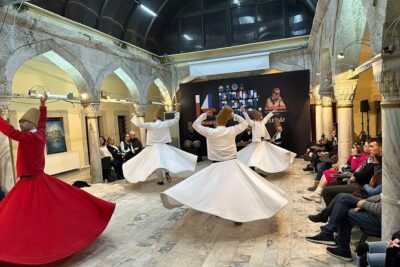
Istanbul Traditional Turkish Dinner and Dervish Experience
Read our review →
Istanbul Bosphorus Tour With Whirling Dervish Show
Read our review →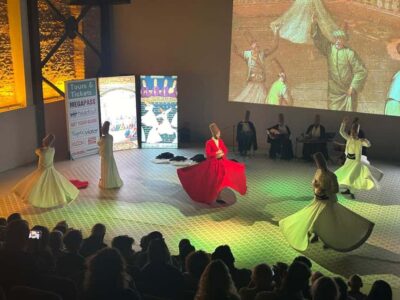
Browse the lists this tour appears in