Reviewed · ISTANBUL TOURS
6 days Turkey tour: Multi City
Gallipoli’s World War I memorials, the marble streets of Ephesus, Pamukkale’s white terraces and Cappadocia’s carved churches make for a remarkable six-day sweep across Turkey. The route moves fast, but it connects very different chapters of the country’s past and gives you more than a string of photo stops.
I like two things in particular: private guiding means you can ask questions and move at your group’s pace, and the package includes transport, flights, many admissions and meals, which can simplify a complicated route. A guide named Josh was praised for explaining the sites and adding an extra stop. The caution: the written plan has inconsistencies about the route, tour length and lodging, so get those details confirmed before paying.
Six days, several different Turkeys
- Gallipoli and Troy bring World War I remembrance and Homeric legend into the same two-day stretch.
- Ephesus and Pamukkale pair major Roman remains with natural travertine terraces and thermal water.
- Cappadocia gets two days of rock-cut churches, valley viewpoints, fairy chimneys and an underground city.
- Private tours and included transport can make a multi-region trip easier to manage than arranging every leg yourself.
- The package details need checking: the route description and inclusions do not line up cleanly on duration, hotel nights and some stops.
A wide-ranging route with a few unanswered questions
At $1,750 per person, the appeal is not one single attraction. It is the chance to cover Gallipoli, Troy, Pergamon, Ephesus, Pamukkale and Cappadocia in one organized trip, with flights, airport transfers, ground transport, guide services, admissions and several meals included. Done independently, connecting all those places would take planning and could mean separate bookings for transport and entry.
But the itinerary needs clarification. Its overview describes a two-day Ephesus and Pamukkale trip, while the day-by-day route lays out six days, starting with a hotel pickup in Istanbul and ending in Cappadocia. The inclusions list two days of private touring, one night in Kusadasi, round-trip flights and four breakfasts, but does not clearly explain where you sleep on the other nights or how every transfer fits together. Ask for a dated schedule and a written list of included hotel nights before booking.
The route is also ambitious. You move from the Gallipoli peninsula to Troy and Pergamon, then to the Aegean coast, Pamukkale and Cappadocia. Private transport and flights can make that possible, but the schedule still leaves little room for slow mornings or unplanned exploration. Think of this as a highlights tour, not a leisurely stay in each region.
A few more Istanbul tours worth booking
- Istanbul: Bosphorus Dinner Cruise & Show with Private Table
★ 4.8 · 44,561 reviews - Istanbul: Daytime or Sunset Sightseeing Cruise & Audio Guide
★ 4.8 · 14,430 reviews - Istanbul: Bosphorus Dinner Cruise with Turkish Night Show
★ 4.8 · 10,127 reviews
Day 1: Gallipoli’s memorials and the cost of an early start
The first day begins with a 6:30 a.m. pickup from your Istanbul hotel, followed by the drive to Eceabat and a full day at Gallipoli. The peninsula is a place to approach with care. Its memorials mark the 1915-1916 campaign, when Allied forces and the Ottoman Army fought here at great human cost.
Stops include ANZAC Cove, the Lone Pine Memorial, Chunuk Bair and The Nek. These places help put the campaign’s scale into focus, but they are not interchangeable photo points. Give yourself time to listen, read the memorials and take in the ground itself. A guide can help connect the separate sites to the larger story, especially if you have limited background in the campaign.
The Gallipoli War Museum adds a closer look at the people caught up in the fighting. Its described displays include weapons and other military equipment, personal belongings, letters, photographs, maps and battle models. That material can make the campaign feel less abstract. The trade-off is a long opening day, so expect an early start and a full schedule rather than a gentle introduction to the trip.
Day 2: Troy’s layered ruins, then Pergamon
Troy is more than the wooden horse associated with the Trojan War. The archaeological site contains the remains of nine cities built on top of one another over more than 4,000 years. You can see traces of walls, gates, temples and homes, while a guide helps separate archaeological evidence from the stories attached to Homer’s Iliad.
The replica Trojan Horse offers a familiar visual landmark, but the site’s real interest is its layers. It can be hard to picture an ancient city from low walls and foundations alone, so guided context matters here. The visit is scheduled for three hours, enough to explore the main remains without turning the stop into an all-day excavation lesson.
The day continues at Pergamon, another site with a lot packed into its name. On the Acropolis, you can see the remains of temples and palaces, along with a steep ancient theatre overlooking the surrounding area. The famous Altar of Zeus is now in Berlin, a useful reminder that what you see on site is only part of the story.
Pergamon’s Asclepion, an ancient healing center dedicated to Asclepius, adds a different angle: medicine, treatment and sacred practice. The site is described as including treatment rooms, pools and springs. With three hours assigned to Pergamon, there is time to take in its scale, though the day’s combined visits will likely feel full. Wear shoes suited to uneven historic ground.
Day 3: Ephesus, a temple site and a sacred house
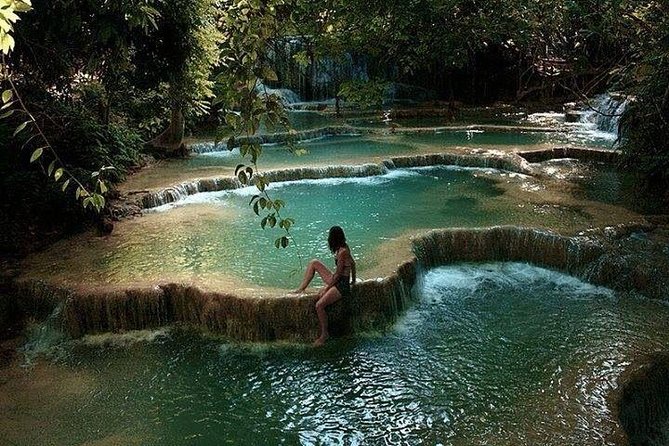
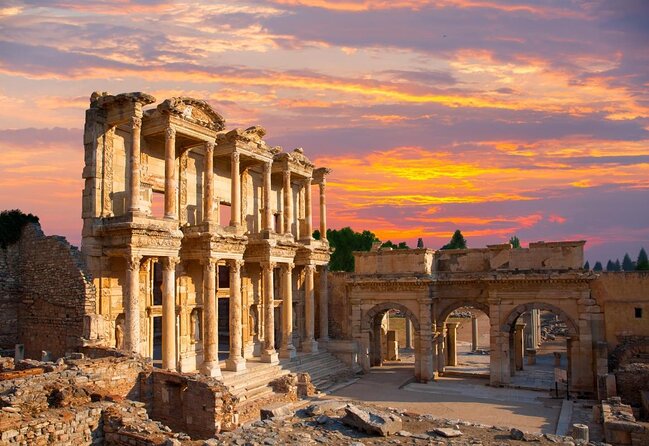
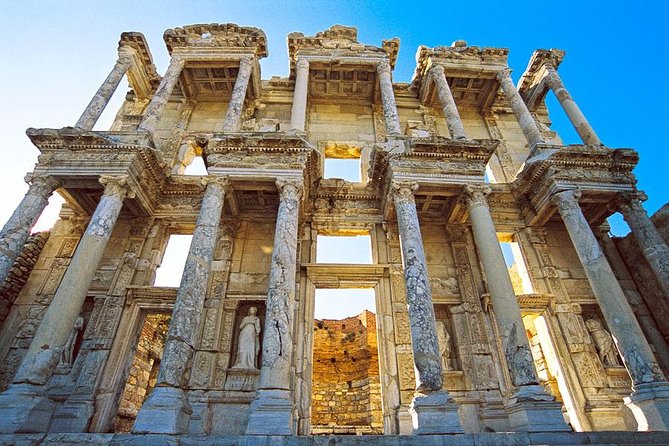
Ephesus is one of the tour’s major archaeological stops, and rightly so. Its best-known structure is the Library of Celsus, built in the second century AD and once home to more than 12,000 scrolls. The Great Theatre, which could hold about 25,000 people, gives you a sense of how large and public ancient city life could be.
The route also includes the Temple of Artemis, once counted among the Seven Wonders of the Ancient World. Today, the stop is free and takes about 30 minutes. The temple was rebuilt more than once, but little remains on site, so adjust expectations: this is a meaningful historical location, not a standing monument comparable to the Library of Celsus.
The House of the Virgin Mary offers a quieter change of pace. The modest stone building is revered by some Christians and Muslims, and tradition holds that Mary lived there after Jesus’s crucifixion. The site is a place of pilgrimage, with a peaceful setting and a wall where visitors leave written prayers and wishes. You do not need to share the religious belief to appreciate its importance to those who come here.
Isa Bey Mosque, a 14th-century structure in Selçuk, rounds out the day with a later chapter of regional history. Its asymmetrical plan, carved marble entrance and courtyard columns reused from Ephesus show how different periods overlap in this part of Turkey. The day offers a broad sweep of ancient and medieval heritage, though four sites leave little time for lingering.
Something on the other side of the city:
- Best of Istanbul 1, 2 or 3-Day Private Guided Istanbul Tour
★ 5.0 · 8,922 reviews - Istanbul: Basilica Cistern Fast-Track Entry and Audio Guide
★ 4.6 · 7,521 reviews - Istanbul: Hagia Sophia Skip-the-Line Ticket & Museum Option
★ 3.7 · 4,958 reviews - Istanbul: Hodjapasha Whirling Dervishes Show & Exhibition
★ 4.4 · 4,790 reviews
Day 4: Pamukkale’s white terraces and Hierapolis
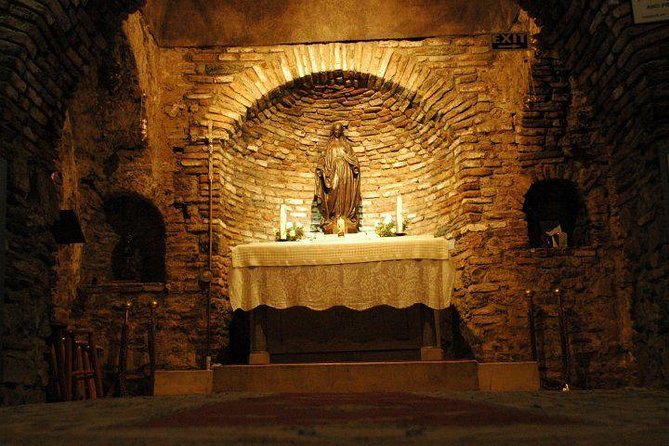
Pamukkale is the natural counterpoint to the previous days’ ruins. Mineral-rich hot water has deposited calcium carbonate on the hillside, forming the white terraces that give the place its name, Cotton Castle. The sight is striking, but the terraces are also a protected natural feature, so follow the local rules about where you may walk or enter the water.
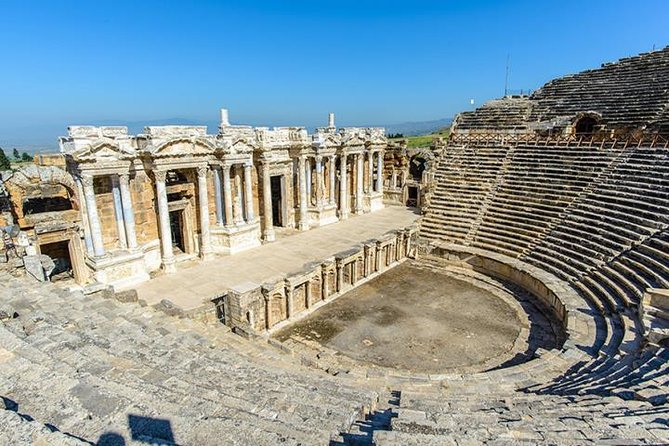
The schedule assigns three hours to Pamukkale and another two to Hierapolis, the ancient city above the terraces. Founded in the second century BC and later expanded under Roman rule, Hierapolis grew around its thermal springs. Its theatre, baths, necropolis, Temple of Apollo, Nymphaeum and column-lined street make clear why people came here long before modern tourism.
Cleopatra’s Pool is listed as a two-hour stop, with warm mineral water and fallen Roman columns in the pool. The Cleopatra connection is a legend rather than a firmly established historical fact. Check what is included in the admission arrangement, since the experience is different from simply walking among the ruins and the pool is a separate activity within the site.
Taken together, Pamukkale and Hierapolis are a strong day: nature, ancient urban life and bathing culture in one place. The downside is exposure to sun and heat, particularly in the middle of the day. The schedule suggests early morning or late afternoon as better times for the terraces, but the fixed multi-stop route may limit how much you can choose your own timing.
Day 5: Cappadocia’s churches, pottery and unusual rock forms
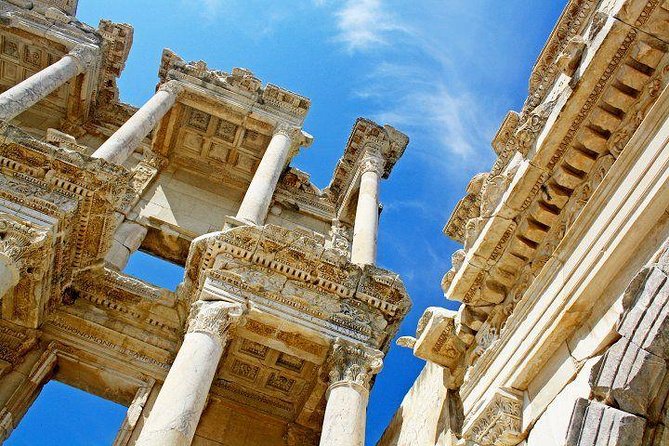
Cappadocia shifts the focus from classical ruins to volcanic rock shaped by erosion and human hands. Göreme Panorama gives you a broad view of the region’s fairy chimneys and valleys. It is especially associated with sunrise and sunset, but this stop is scheduled for one hour and the itinerary does not say that it takes place at either time. If a particular light or balloon view matters to you, ask when the visit is planned.
The Göreme Open-Air Museum is a central cultural stop. Early Christian communities carved churches, monasteries and living spaces into the soft rock. The museum includes churches such as the Dark Church, Apple Church and Snake Church, known for their painted interiors. Three hours allows a proper visit, though the rock-cut rooms and religious art deserve more than a quick walk-through.
Avanos brings a living craft tradition into the day. Its pottery draws on red clay from the Kızılırmak River, and workshops demonstrate techniques tied to the area’s long ceramic history. The stop is listed as two hours, but the description does not specify whether a hands-on session is included. Ask if trying the wheel is important to you.
Devrent Valley is about natural forms rather than buildings. Wind and water have shaped rocks that can suggest animals or faces, depending on your imagination. Paşabağları, also called Monk’s Valley, has mushroom-shaped fairy chimneys and rock-cut chapels and dwellings. The Three Beauties near Ürgüp are a shorter scenic stop, famous for three distinctive formations.
There is a lot of variety here, but the day has six stops. You will see several sides of Cappadocia, though not necessarily have time for a long walk through any one valley. If hiking is your priority, ask whether the schedule allows time beyond the listed viewpoints.
Day 6: Valley walks and an underground-city mix-up
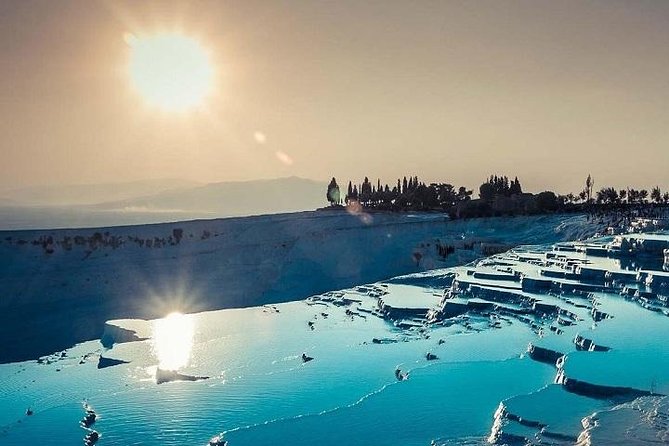
Uçhisar Castle occupies a high rock formation and offers wide views over the surrounding valleys. Its carved rooms and tunnels recall its earlier use as a defense point. The stop is an hour, a sensible amount of time for exploring and taking in the view.
Kızılçukur Valley, or Red Valley, is described as a two-hour walk through pink and red rock, vineyards and rock-carved churches. This is one of the route’s more active stretches, so plan on comfortable walking shoes. Çavuşin adds a village setting, with rock-cut houses and the Church of St. John the Baptist, dated to the fifth century. Love Valley, known for its unusual tall formations, provides another scenic stop.
The final underground-city visit needs particular attention before you book. The itinerary heading names Kaymaklı Underground City, but its description is about Derinkuyu, a different site. Derinkuyu is described as having multiple levels, living areas, kitchens, chapels, storage rooms and ventilation shafts. Ask which city the tour actually visits, and whether the two-hour time slot includes the full visit and transport.
Pigeon Valley closes the day with carved pigeon houses, once used to collect fertilizer for farming. It is also a scenic route between Göreme and Uçhisar. Taken together, the final day mixes views, a walk, village history and an underground site. It is engaging, but packed. Confirm the order and the walking distance if you want to know how demanding it will feel.
What $1,750 buys, and what to verify
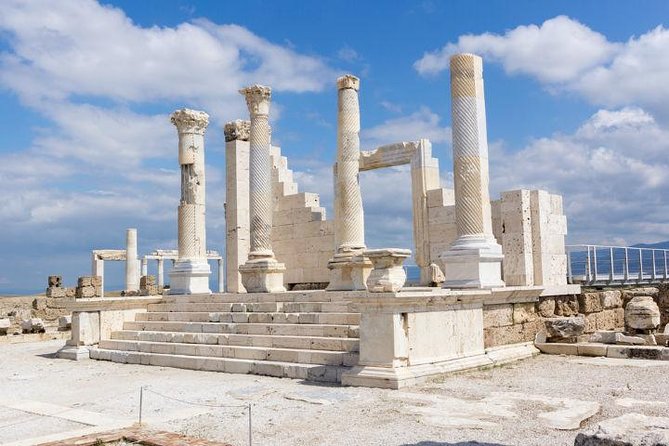
The price is easier to judge when you count the included pieces: round-trip flight tickets with taxes, airport transfers, transport, guides, admissions, six lunches, four breakfasts and one night in a Kusadasi hotel. A private tour can add value by allowing your group to ask questions and avoid coordinating each transfer independently. The feedback about Josh describes the kind of guiding that can make this format worthwhile: clear answers, useful explanations and an extra stop to share more history.
Still, $1,750 is not a small outlay, and the package description leaves important gaps. It lists one Kusadasi hotel night but does not clearly state accommodation for the rest of the trip. Dinner is excluded, and the meal counts do not explain which days include breakfast. Nor does the overview reconcile the six-day route with its description of a two-day Ephesus and Pamukkale tour.
Before booking, ask for written confirmation of the exact six-day schedule, all hotel nights, flight segments, meals by day, which entrance fees are covered, and whether the underground-city stop is Kaymaklı or Derinkuyu. The cancellation terms are also fairly strict close to departure: full refunds require cancellation at least six full days ahead, with a 50 percent refund available two to six days before the start. Poor-weather cancellations may be rescheduled or refunded.
Who should book this Turkey tour?
This trip suits you if you have limited time, want to connect several regions, and value private guiding and arranged transport more than free time. It is especially appealing if Gallipoli, ancient sites and Cappadocia all belong on the same trip list. The range is its strength: military history, classical archaeology, sacred places, thermal water and distinctive rock formations all appear in six days.
I would hesitate if you prefer slow travel, want to spend several nights in each place, or need every hotel and transfer spelled out before committing. The route has real value on paper, but the unresolved schedule details matter at this price. Get the lodging and transport plan in writing; if those answers are clear and the pace suits you, this is a compelling way to cover a lot of Turkey without arranging every leg yourself.
FAQ
How long is the tour?
The tour is described as approximately six days. Its overview also refers to a two-day Ephesus and Pamukkale tour, so confirm the exact schedule before booking.
What is included in the price?
The listed inclusions are round-trip flights with taxes, airport transfers, transport, guided touring, entrance fees, six lunches, four breakfasts and one hotel night in Kusadasi.
Are dinners included?
No. Dinner is listed as not included.
Is the tour private?
Yes. The activity is described as private, with only your group participating.
Which underground city does the tour visit?
The itinerary names Kaymaklı in the stop heading but describes Derinkuyu in the details. Confirm which site is included.
What is the cancellation policy?
Cancel at least six full days before the start for a full refund. A 50 percent refund is available for cancellations two to six full days ahead. Cancellations less than two full days before the start are not refunded. If poor weather causes cancellation, you will be offered another date or a full refund.
New in Istanbul this season
- Escorted 10 Days Tour of Istanbul, Cappadocia, Ephesus and Pamukkale★ 5.0 · 9 reviews
- Ephesus and Pamukkale Full-Day Private Tour from Istanbul by Plane★ 5.0 · 9 reviews
- Ephesus tour from Istanbul Flights included★ 4.5 · 4 reviews
- Ertugrul Gazi Tomb, Sogut and Bilecik Tour – Daily from Istanbul★ 4.5 · 19 reviews
- 8 Day Turkey tour with flights with private option . Express Gold★ 5.0 · 7 reviews
- Istanbul to Ephesus Full Day Guided Tour, Flight and Lunch incl.★ 4.5 · 66 reviews
- Ephesus Pamukkale Tour by Plane★ 4.0 · 6 reviews
- Western Turkey Explorer – 6 Days★ 5.0 · 4 reviews
Istanbul Tours, compared.
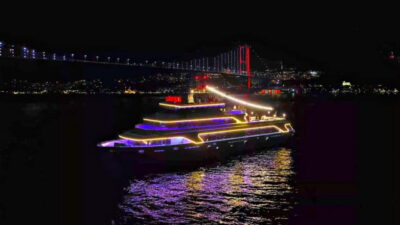
Bosphorus Dinner Cruise & Show with Private Table
Read our review →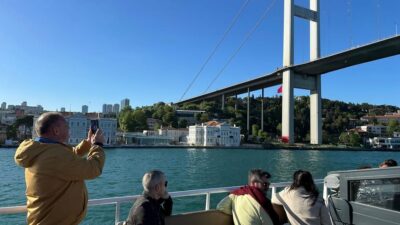
Daytime or Sunset Sightseeing Cruise & Audio Guide
Read our review →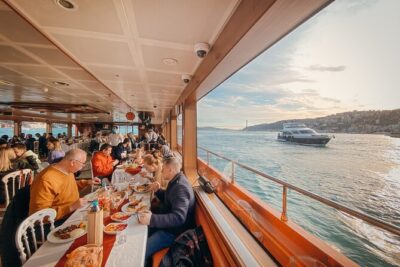
Bosphorus Dinner Cruise with Turkish Night Show
Read our review →
Best of Istanbul 1, 2 or 3-Day Private Guided Istanbul Tour
Read our review →
Basilica Cistern Fast-Track Entry and Audio Guide
Read our review →
Hagia Sophia Skip-the-Line Ticket & Museum Option
Read our review →
Hodjapasha Whirling Dervishes Show & Exhibition
Read our review →